Album of the Day: Mess/Age – いとうせいこう (Seiko Ito)
by homer
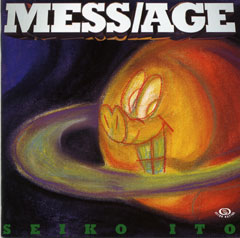
Seiko Ito is an unbelievable artist, an avid chess player, producer and crate digger. His twitter account is a goldmine. The ruminations on his blog, especially about chess, are quite good. DJ Baku has him on his album Dharma Dance. He rubs elbows with Yann Tobika- a legend in his own right.

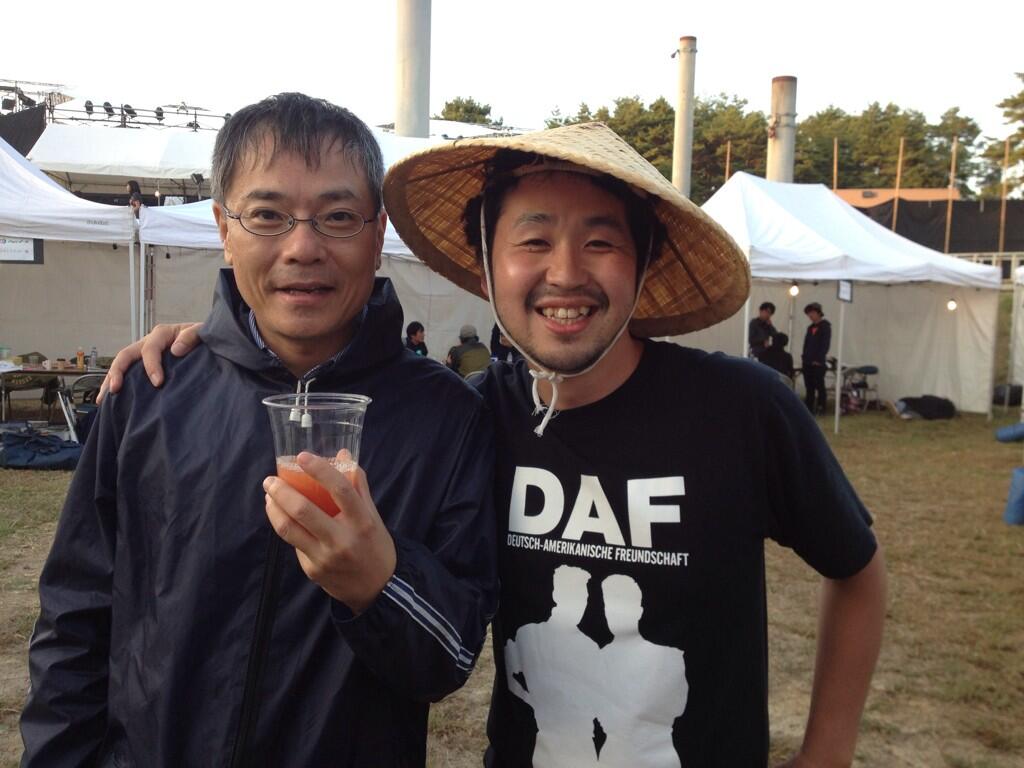
Yann Tomita lookin’ like the Bodhidharma of the transistor
I heard his album Mess/Age today and it really moved me– and I don’t speak a lick of Japanese yet. It’s the sort of album that makes me WANT to learn Japanese. I want to be this man’s apprentice- pack up my family’s bags, move to Japan and learn under his wing.
“Medieval dream arrives in the flesh. Hanaregumi currently playing. the sophistication N ーーー: RT @ TANSHOKOICHI! ! ! !”
Mess/Age is an album talking about looking backward, and yet this masterpiece is timeless and sounds as though it was written in 2012. In 1989 Grandmaster Flash was doing something similar across the pond, and De La Soul was just beginning to harness this energy, flow and sample layering. As with all breathrough albums, it transcends genres. “To the Max” is unbelievable rhythm. Seiko Ito sounds caught between Gang of Four and Sonic Youth in conversation, but creating a product totally original, organically grown. “Etsu Atsu O” at 1:14 plays on what is today one of the heaviest-sampled clips ever, like he just read the future of hip hop.
From Hip Hop Japan:
One of the pioneers of Japanese hip-hop, Ito Seiko, offers telling insights into the politics of language and identity on his 1989 album Mess/Age. The double entendre of the album’s title captures a duality that Ito puts foremost in his work, namely, that a crative reworking of an era (“age”) that had become a “mess” could arise through the serendipitous cross-language fertilization of his “message.” In one song, he looks back ninety years, calling the end of the century “just a rumor” (uwasa dake no seikimatsu) because before the Meiji era (1868-1912), Japan did not use the Western calendar. “It was Japan’s first end of the century.” he raps, “but no one noticed that.” Importantly, Ito views this not as an imposition of Western ways of thinking, but rather as the emergence of a widespread Japanese desire to topple old elitist Japanese ways, a desire spread by word of mouth.
I’ll do a study of his samples, and I’m pretty sure Madlib has found this record and lifted the chords from “Da Da Muffin” for a remix of a Quasimoto track. He himself samples “The Champ” by The Mohawks long before KRS did and a year before Eric B did; he was tuned into the Triple Threat as well.
Special for the day – Come on feet IRL: